
Seongsu: From Shoes to Cafés
From the shoemakers' street to Seoul Forest
You're at Exit 1 of Seongsu Station. Look up.
Here the subway runs above ground, on the tracks over your head.
For decades, the street under these tracks has been a street of shoemakers.
The person we'll follow today is a shoemaker named Yu Hong-sik.
He started making shoes at twelve.
He didn't like school, the story goes.
So he came up to Seoul and found a man from his hometown who ran a shoe shop in Myeongdong, the city's fashion district.
Back then, Myeongdong set the trends for the whole country.
Made-to-measure "salon shoes" flew off the shelves in its shoe shops.
But the workshops that actually made the shoes began moving out here, one by one.
When big shoe companies set up factories nearby, the Myeongdong workshops that supplied them followed.
This became a neighborhood of bicycles loaded with leather, weaving between factories.
Yu kept making shoes for more than fifty years.
Seongdong, the district you're standing in, named him its very first master shoemaker.
So far, this is the story of a skilled craftsman.
But one day, a call came from Cheong Wa Dae, the presidential residence.
The newly elected president wanted Yu to make his shoes.
Yu went there and measured the president's feet himself.
Later, he said this:
"I went to measure the president's feet, and he was wearing cheap, worn-out shoes."
The twelve-year-old who wandered into a Myeongdong alley ended up measuring a president's feet.
Listen. Another train is rolling over your head.
Around the station, shoemakers still sell their work together in shared shops.
Now walk along the tracks toward Exit 2.
On the way, you'll pass shops whose owners have their own stories.
Next is a red-brick warehouse.
But long before shoes, that warehouse worked with rice.
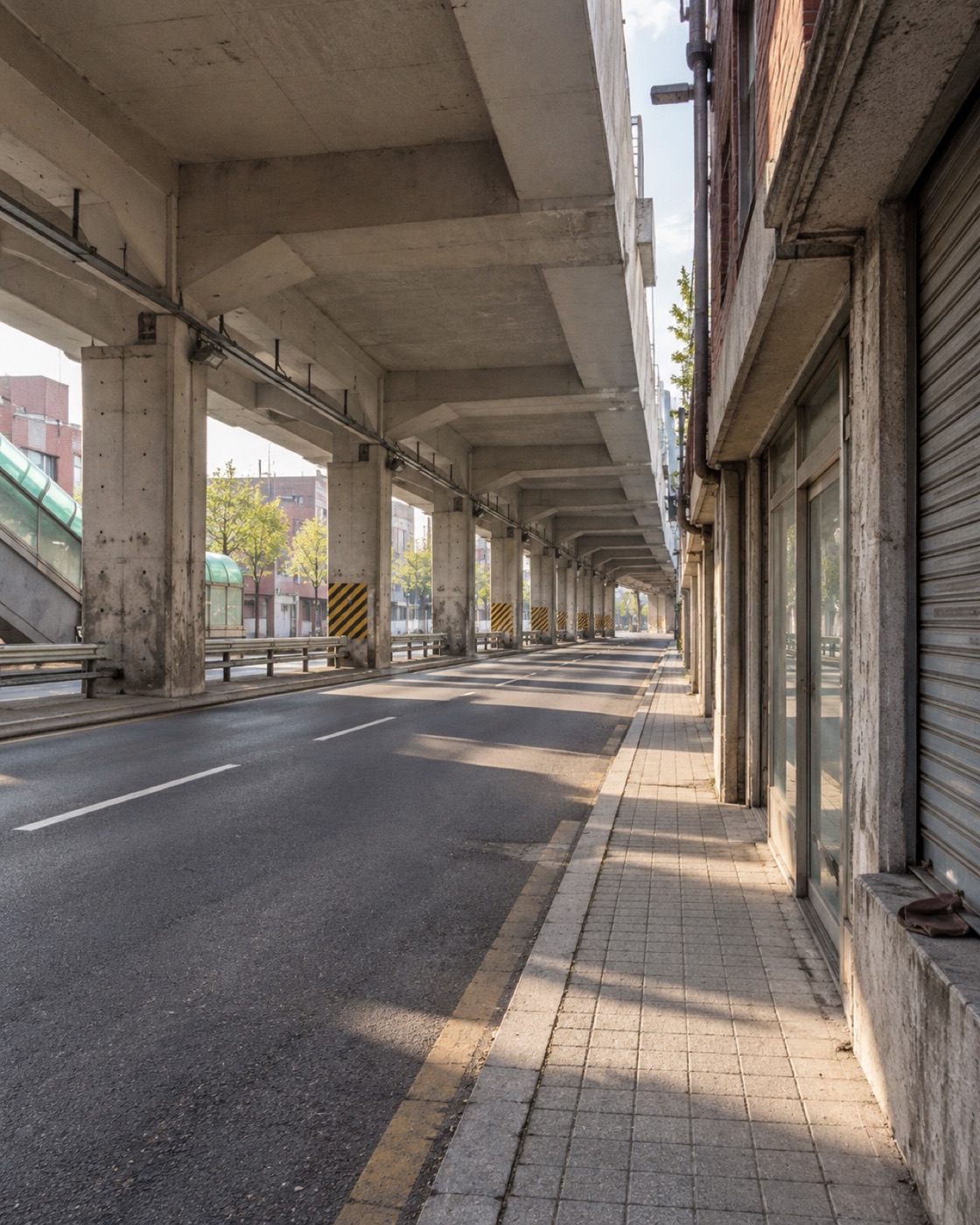 1. Seongsu Shoe StreetSeongsu Station · Since the late 1960s · The shoemakers' street
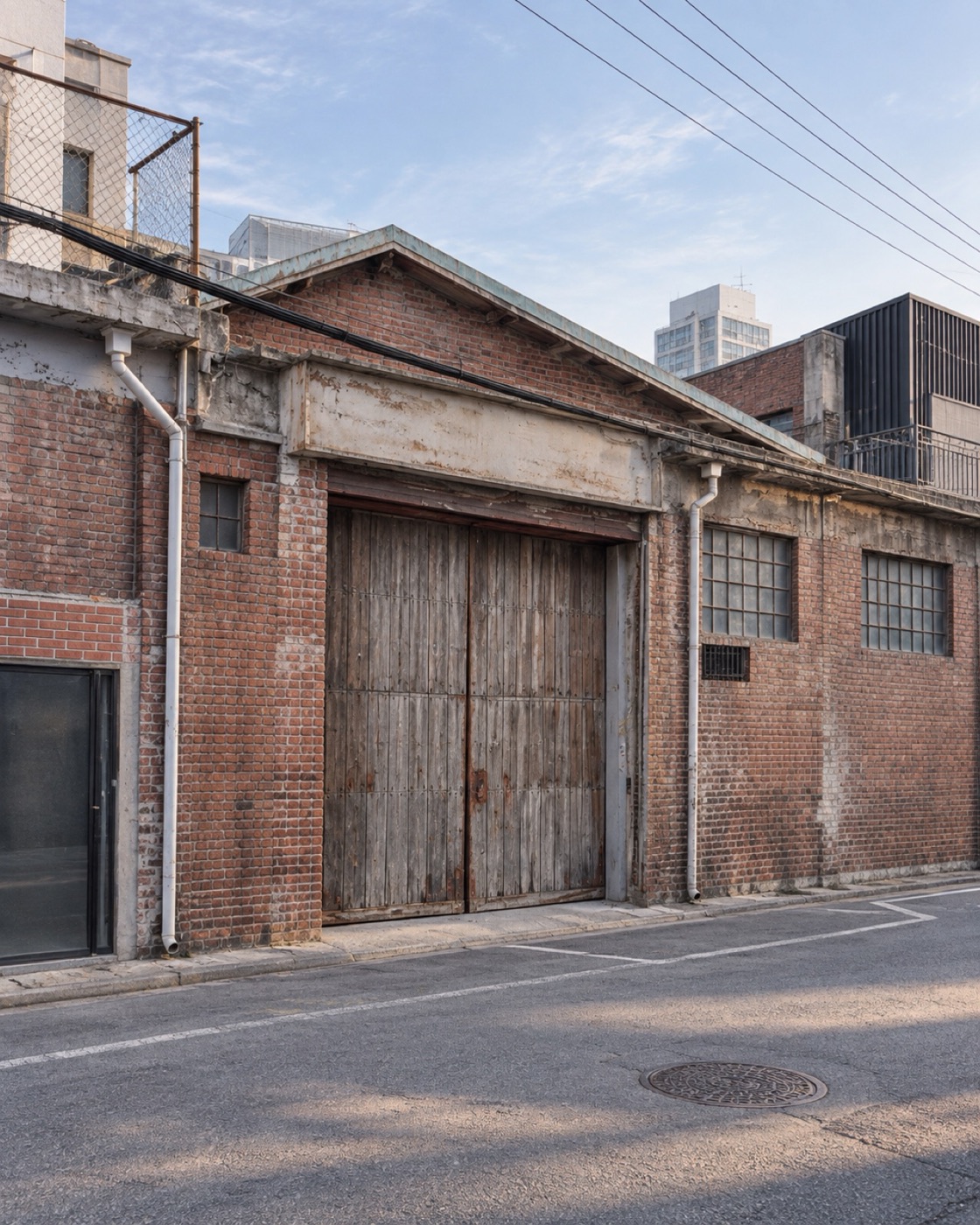 2. Daelim WarehouseSeongsu-iro · 1970s · A rice mill turned warehouse
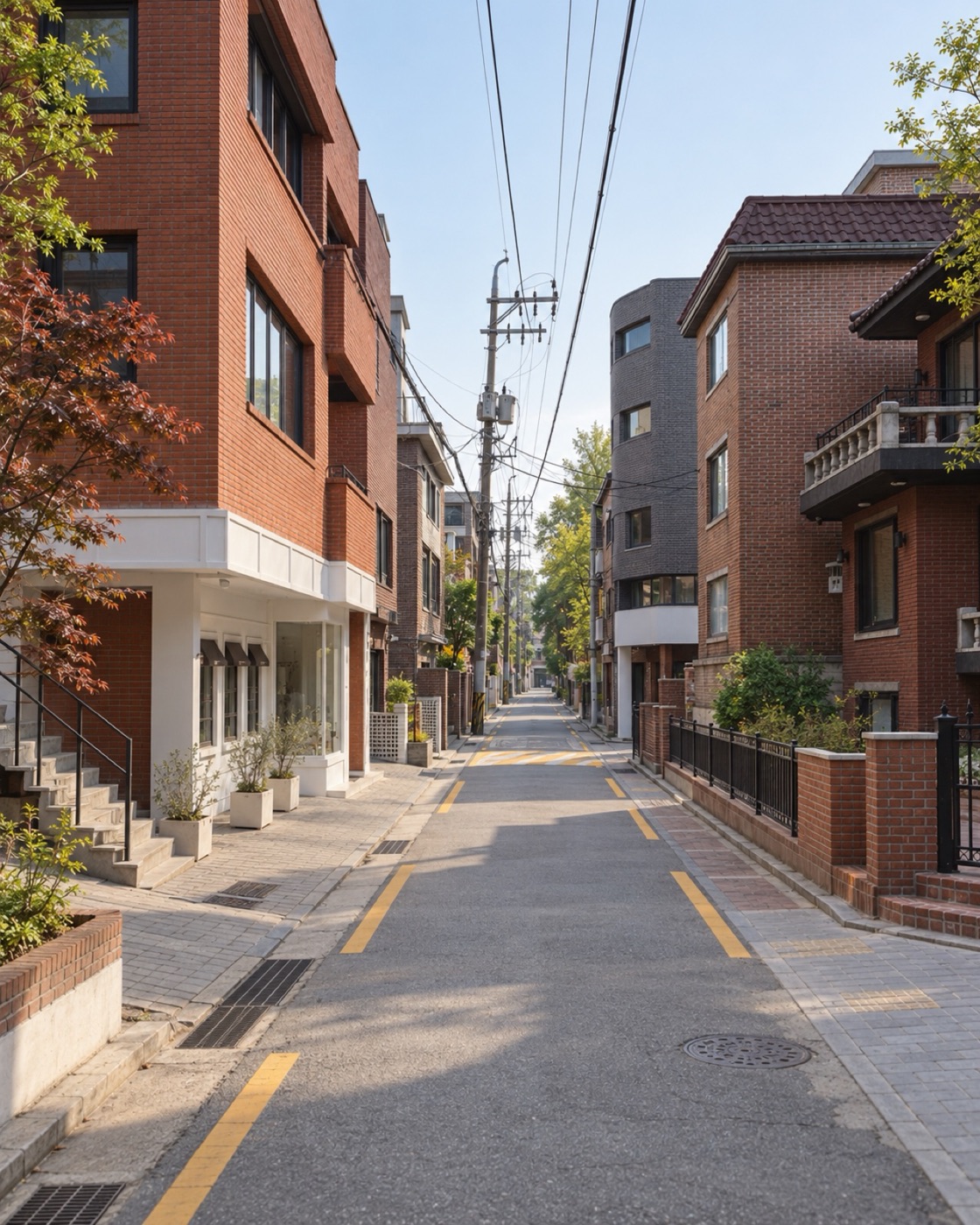 3. Red-Brick Lanes of Seoul ForestSeoulsup 2-gil · 1980s–90s · Red brick, kept on purpose
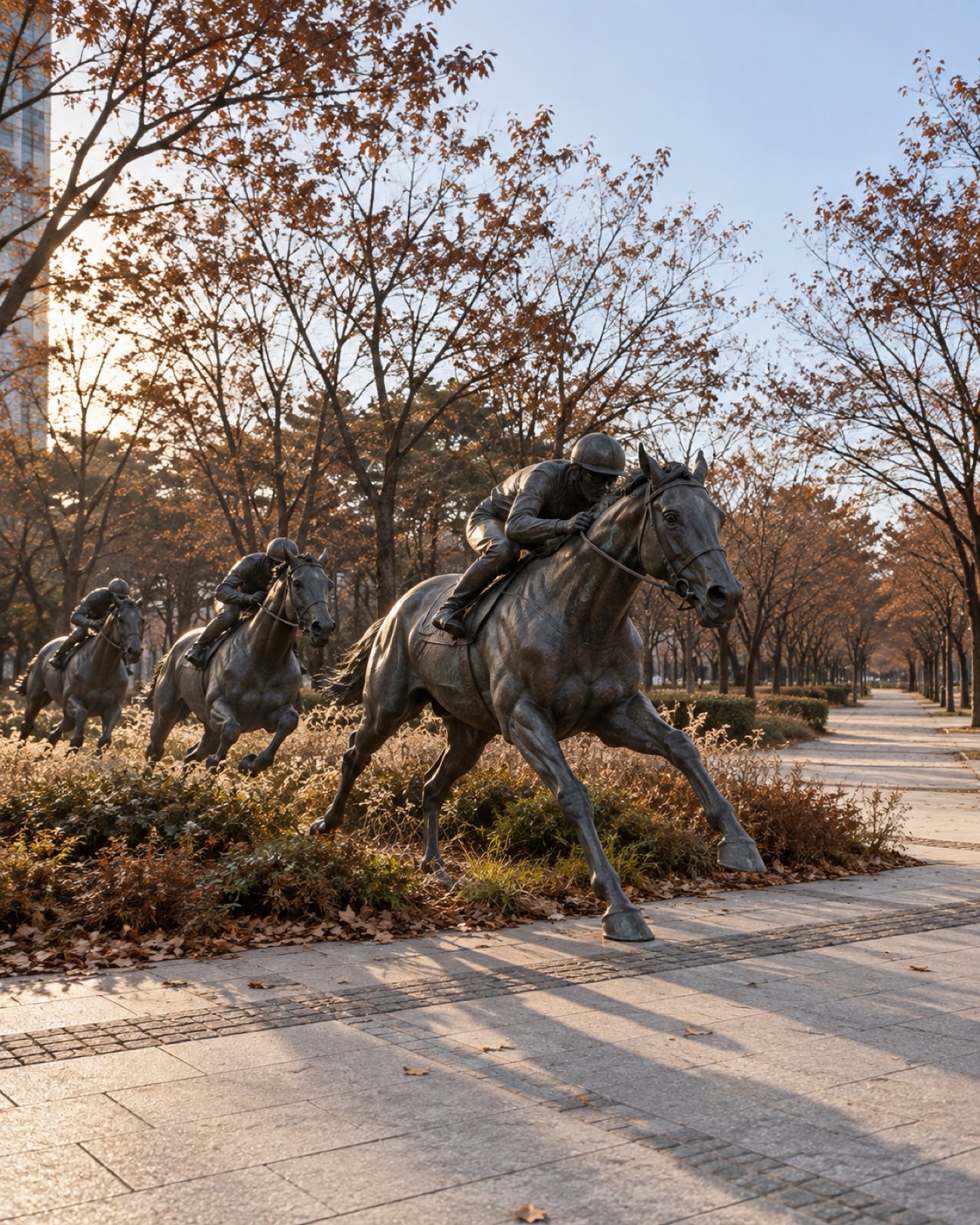 4. Seoul Forest Horse StatuesTtukseom · 1954–1989 · Where the racetrack ran
Replay any time, even offline. Stories play on their own as you arrive, with your phone in your pocket. Or choose "Listen as you walk" and let the stories find you.
Narration in English, Korean and Japanese; subtitles also in Simplified and Traditional Chinese, Vietnamese, Thai and Indonesian.